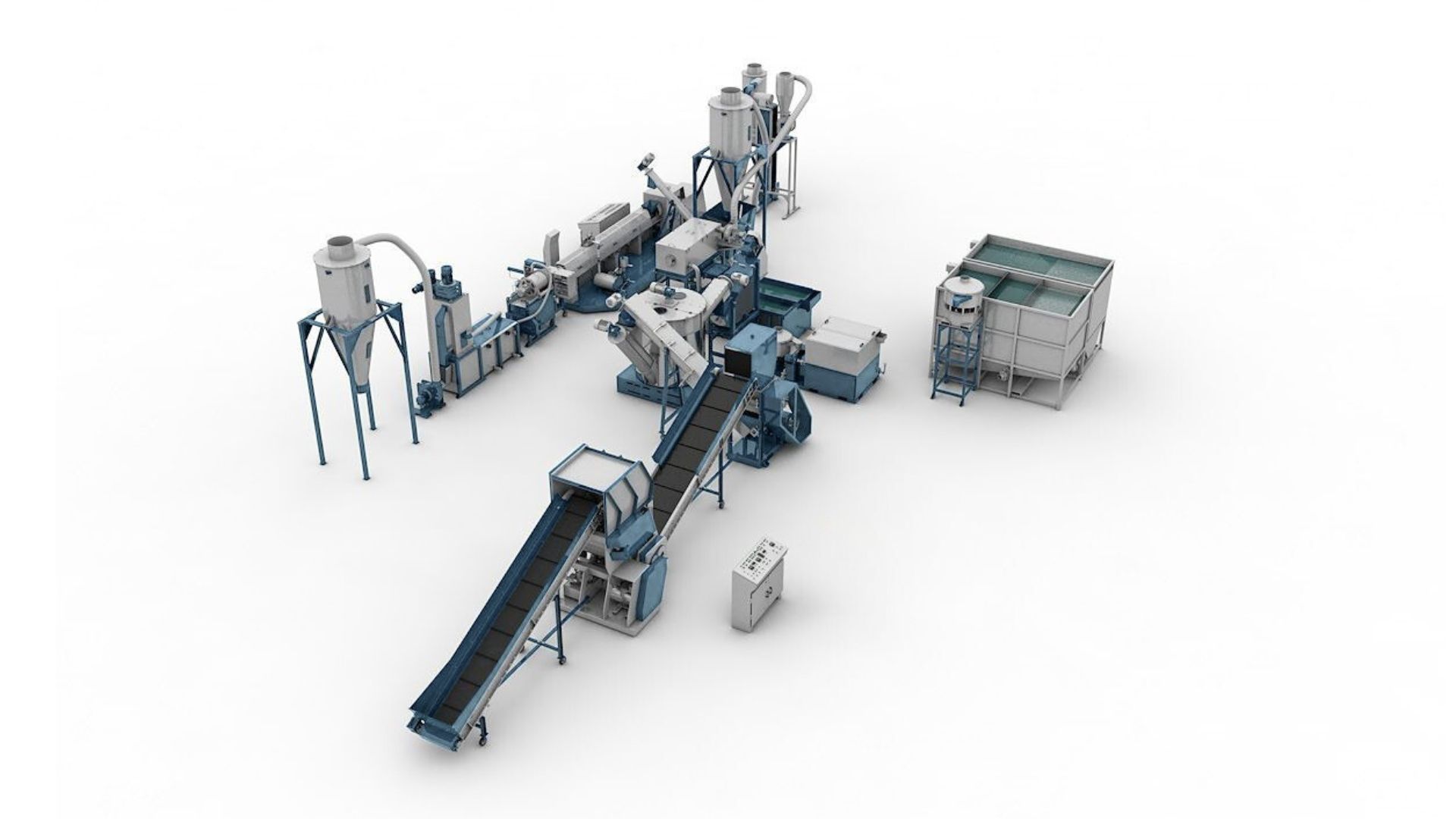
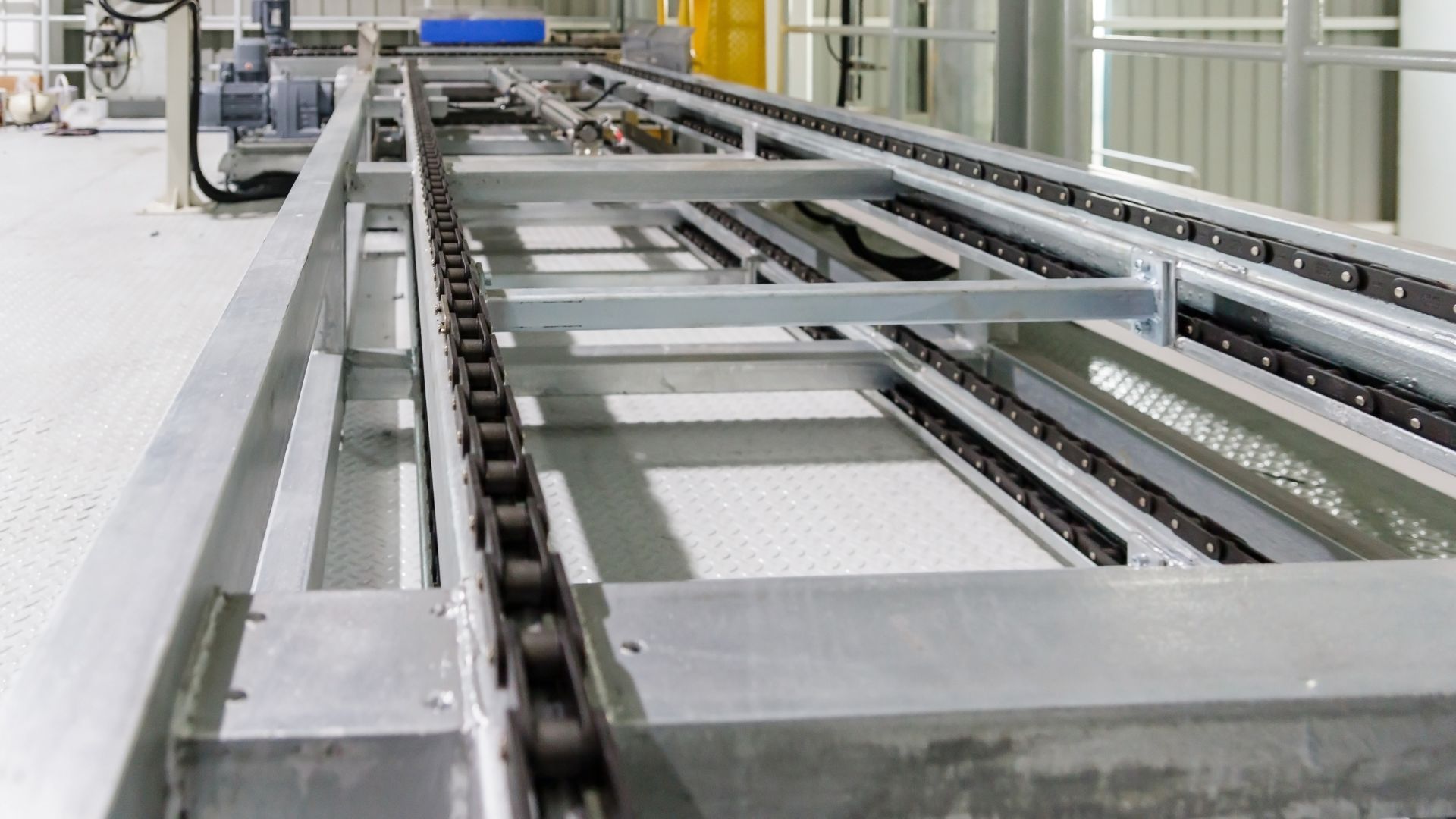
Most conveyor problems do not start as “maintenance.” They start as one tiny bad decision made at speed. OSHA warns about real conveyor hazards like reaching into an in-going nip point to clear a jam, and hazards around belts, pulleys, and other moving parts that are not properly guarded.
Now connect that to your day-to-day reality. The belt is not just moving product from A to B. It decides whether cartons glide or snag, whether transfers jam, whether carryback turns cleanup into a shift killer, and whether your line stops when everyone is already behind.
This guide breaks down the types of conveyor belt in industry so you can choose fast, spec clean, and avoid downtime.
Key Takeaways:
Define the ask: Belt type and conveyor type are different, so lock scope before quoting.
Pick by reality: Surface, construction, and application constraints decide performance.
Use the 8-type map: Most plants fit into a few common belt types when labeled correctly.
Spec transfers: Transfer points drive jams, cleanup time, and downtime more than the belt name.
RFQ wins: Standard inputs and acceptance checks prevent “it wasn’t included” surprises.
What do People Mean by “Types of Conveyor Belt in Industry”
Most teams say “belt type” when they actually mean two different things. That is why quotes do not match, and why a “simple belt change” turns into tracking issues, jams at transfers, or a sanitation headache. First, label the right thing. Then you can spec it cleanly.
What people say | What they often mean | What changes in the spec | Example |
Belt type | The belt itself: surface + material + construction | Friction, cleanability, splice, thickness, tensile strength, temperature/chemical resistance | PVC belt vs modular plastic belt vs cleated belt |
Conveyor type | The machine/frame layout that moves the belt | Length, bed type, pulleys, tracking system, transfer geometry, drives, guards | Incline conveyor, curved conveyor, slider bed conveyor |
Quick rule to choose the right belt
Pick the belt using surface + construction + application constraints.
Surface: grip, carryback, clean release, product protection
Construction: fabric plies, modular links, cleats, sidewalls, reinforcement
Application constraints: incline angle, transfer points, temperature, abrasion, washdown, chemicals, duty cycle
With the terms locked, here are the 8 belt types you’ll see across most plants and how to recognize where each one actually fits.
The 8 Essential Conveyor Belt Types
Most plants can cover 80 percent of use cases with a handful of belt styles. The trick is matching belt behavior to your product, environment, and transfer points, not picking what “looks standard.” Below are the most common belt types you’ll run into, written in a spec-friendly way so procurement and ops stay aligned.
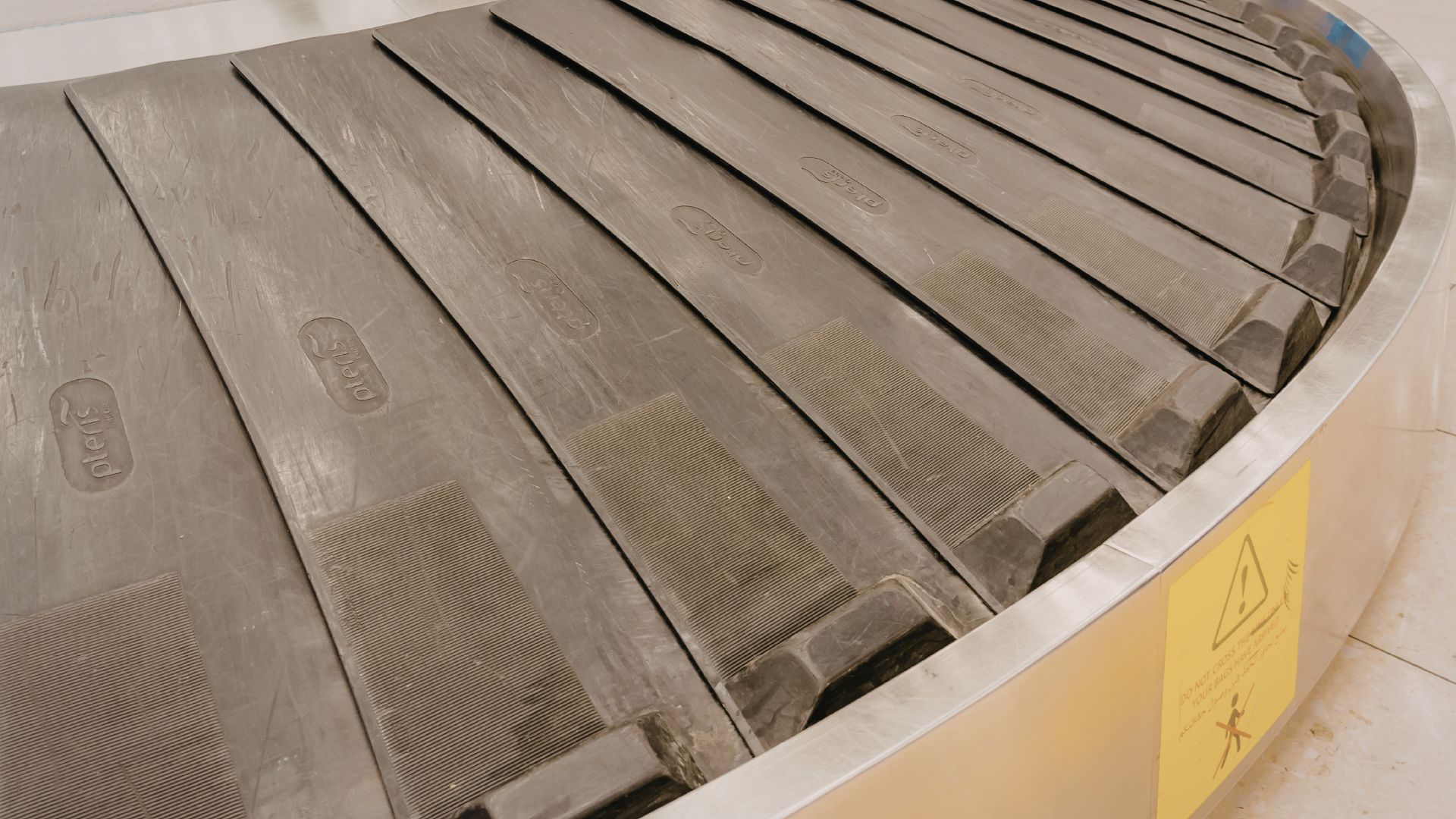
1. Flat belt
A flat, continuous belt that runs over pulleys and carries products on a smooth surface. It is the default option for simple, straight conveying.
Where it fits
Best for cartons, totes, packaged goods, and light to medium-duty unit handling. Works well when transfers are straightforward and the line does not need steep incline grip.
Common failure mode
Mistracking from poor alignment or tensioning
Slippage under load if surface friction is wrong
Carryback that builds up at the return side
What to specify in the RFQ
Belt material and surface finish (grip vs release)
Load per foot and conveyor speed
Splice type preference and service access
Tracking method expected (guides, crowned pulleys, sensors)
2. Troughed belt
A flexible belt shaped into a “trough” by idlers so it can carry loose bulk material without spilling. It is built for continuous bulk flow, not neat unit loads.
Where it fits
Best for pellets, regrind, powders, and bulk materials moving over longer distances. Common anywhere spillage control and consistent bulk capacity matter.
Common failure mode
Belt edge wear from misaligned idlers or poor training
Spillage and dust at loading and discharge points
Premature splice failure under high tension or shock loading
What to specify in the RFQ
Material details: bulk density, particle size, abrasiveness, moisture
Required capacity (throughput) and belt speed
Trough angle and loading zone constraints
Dust control and skirt sealing expectations
3. Cleated belt
A belt with raised cleats that “hold” product in place as it moves up an incline. Cleats add grip by creating pockets that prevent rollback.
Where it fits
Best for incline conveying where product would slide on a flat belt, like packaged goods, parts, or loose items that need lift without a full sidewall system.
Common failure mode
Product trapping and buildup around cleats, leading to cleaning pain
Cleat tearing or delamination under repeated impact or sharp edges
Transfer jams if cleat spacing does not match transfer geometry
What to specify in the RFQ
Incline angle and product rollback risk
Cleat height and pitch (spacing)
Cleaning access requirements and acceptable carryback
Transfer point layout constraints (infeed and discharge)
4. Sidewall belt
A belt with flexible corrugated sidewalls, often paired with cleats, that forms a contained pocket. It is built for steep inclines without spill, closer to “vertical lift” behavior than a standard incline belt.
Where it fits
Best when floor space is tight and you need steep elevation change for bulk materials, regrind, or parts that would spill or fall off a cleated belt.
Common failure mode
Sidewall fatigue cracking from repeated flexing over small pulleys
Material leakage at the base if loading zone containment is weak
Premature wear if belt construction does not match bend radius
What to specify in the RFQ
Required lift height and incline angle
Sidewall height and cleat style needed for containment
Minimum pulley diameter and bend radius constraints
Loading and discharge method to control spillage and wear
5. Modular plastic belt
An interlocking belt made of plastic modules driven by sprockets. Instead of relying on friction, it uses positive engagement, which can improve tracking and simplify repairs.
Where it fits
Best for washdown environments, frequent sanitation, and lines with lots of transfers where a modular surface helps. Also useful when quick section replacement matters more than a single continuous belt.
Common failure mode
Hinge pin wear or module cracking under impact or sharp loads
Product snagging in gaps if module style is mismatched to the item
Sprocket wear or misalignment causing uneven tracking
What to specify in the RFQ
Environment: washdown, chemicals, temperature range
Module material and surface pattern (friction, open area, grip)
Transfer details: smallest product size and transfer geometry
Sprocket count, placement, and access for maintenance
6. Timing belt
A belt with teeth that mesh with a pulley, so it moves without slipping. It is designed for controlled, repeatable motion rather than simple bulk transport.
Where it fits
Best for indexing, precise positioning, synchronized movement, and applications where slip would ruin spacing or alignment. Common in automation-heavy lines and pick-and-place feeding.
Common failure mode
Tooth wear or shear from shock loads and poor pulley match
Mis-tracking from pulley alignment errors
Premature failure if debris contaminates the tooth engagement
What to specify in the RFQ
Required positioning accuracy and load peaks
Tooth pitch and profile compatibility
Contamination exposure and guarding expectations
Pulley alignment and tensioning method required
7. Roller bed belt
A belt that rides over rollers instead of a continuous sliding surface. The roller bed reduces friction, especially on longer conveyors or heavier unit loads.
Where it fits
Best for cartons, totes, and packages over longer distances where drag becomes a problem. Useful when you want smoother movement with less power draw than a full slider bed.
Common failure mode
Roller seizure from debris, wear, or poor maintenance access
Noise and vibration that signal uneven support or failing rollers
Belt wear spots if rollers are misaligned or unevenly loaded
What to specify in the RFQ
Unit load weight and size range
Roller spacing and duty cycle assumptions
Maintenance access and roller replacement method
Noise limits if relevant to the area
8. Slider bed belt
A belt that runs over a continuous, stationary bed instead of rollers. It gives stable support for small items and clean transfers, but adds friction compared to roller beds.
Where it fits
Best for smaller products, short to mid-length runs, and lines with frequent transfers where a stable surface reduces tipping or snagging. Common in packaging and assembly areas.
Common failure mode
Excess drag and heat buildup if belt and bed surface are mismatched
Belt wear from contamination trapped between belt and bed
Slippage or speed inconsistency if tension and drive are not tuned
What to specify in the RFQ
Belt material matched to bed material (friction and wear)
Load and speed, plus expected run length
Contamination risk and cleaning method
Drive and tensioning approach to prevent slip
If you want to choose quickly, the next matrix maps belt types to product, incline, environment, and the failure you’re trying to avoid.
The “Pick Fast” Decision Matrix
If you do not have time to overthink it, use this as a fast match tool. Start with what you are moving, then check the incline and the environment. The “avoid if” column helps you dodge the common wrong picks.
If you are moving… | And you have… | Pick this belt type | Avoid if… |
Cartons, totes, packaged goods | Straight runs, basic transfers | Flat belt | You need steep incline grip or precision indexing |
Bulk pellets, regrind, powders | Spillage risk, loading zones | Troughed belt | You need washdown sanitation or tight transfer control |
Unit loads that must climb | Moderate incline | Cleated belt | Cleaning is difficult or product gets trapped easily |
Bulk material with steep lift | Tight footprint, steep incline | Sidewall belt | You cannot meet bend radius or have high flex fatigue risk |
Mixed products, frequent washdown | Sanitation, quick repair | Modular plastic belt | Tiny items can snag in gaps at transfers |
Parts that must stay spaced | Indexing, no slip allowed | Timing belt | Debris contamination is heavy and not controlled |
Heavier cartons over long runs | Lower drag needed | Roller bed belt | Debris will seize rollers and access is poor |
Small items, frequent transfers | Stable support surface | Slider bed belt | Long runs where friction heat and wear become problems |
Before you lock any belt choice, run a quick safety check, because the same transfer points that jam are also the points that hurt people.
Safety & Compliance Checkpoints You Cannot Ignore
Conveyors injure people in the same places they cause downtime: pulleys, transfer points, and that “quick” jam clear. OSHA guidance and standards emphasize guarding, controlled restart, and lockout practices for a reason.
Guard the nip points: Treat belt and pulley nip points as must-guard zones, especially anywhere hands can reach during cleaning or adjustments.
Jam clearing is servicing, not housekeeping: If someone has to reach in, lockout/tagout should be the default. Do not rely on “quick stop” habits.
Restart discipline: Use an audible or clear restart warning practice and make sure the start control is not easily bumped during cleanup.
Emergency stop access: E-stops should be reachable from normal work positions, not hidden behind guarding or placed only at one end of the line.
Commissioning check: Verify guards, interlocks, stop response, and restart behavior during startup, not after the first incident.
To keep belt selection from turning into change orders later, lock the must-have details in your RFQ upfront.
RFQ Checklist for Conveyor Belts
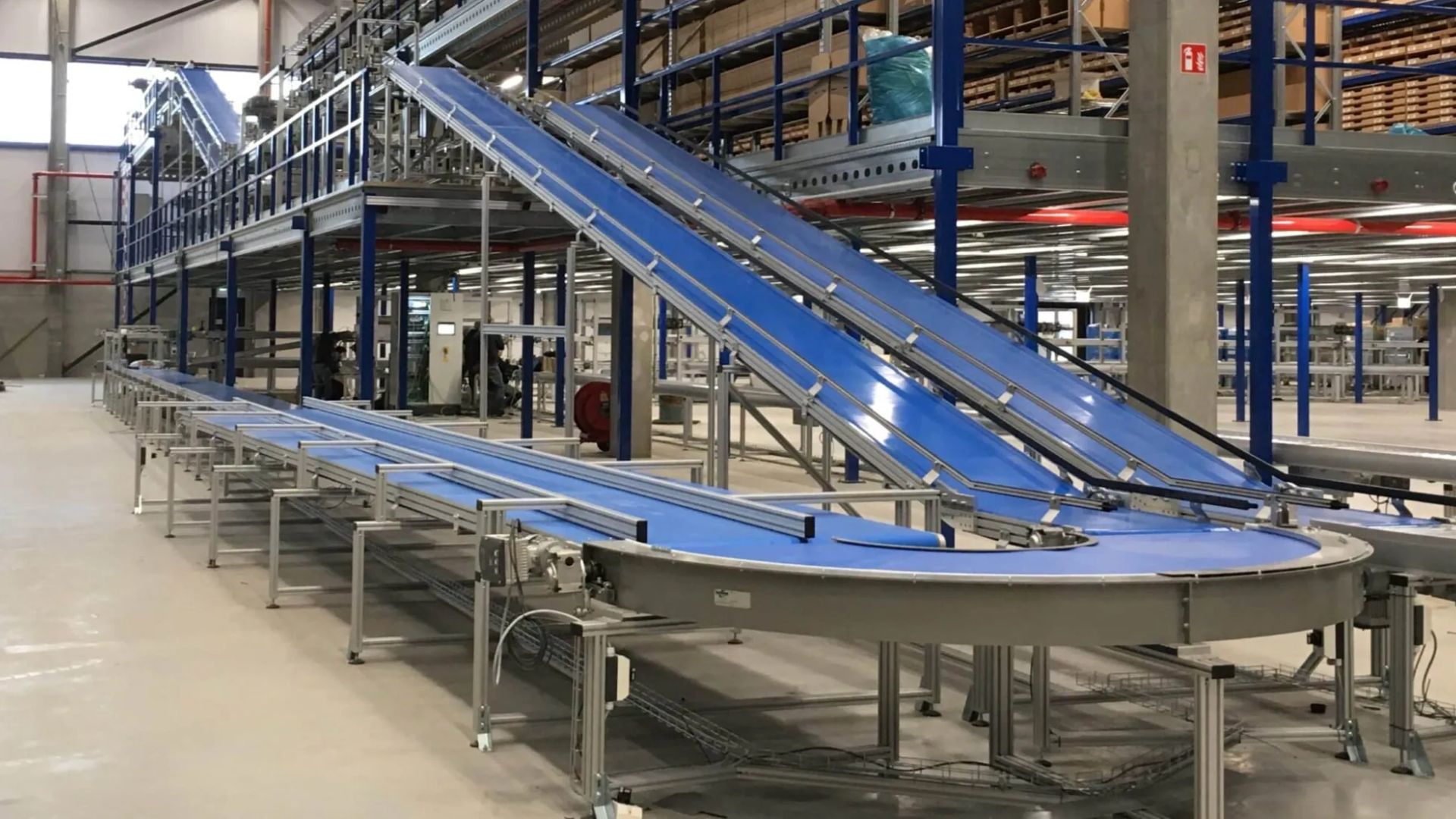
A good belt quote is only possible when the application is specific. Use this to standardize vendor assumptions and prevent “we thought you meant…” surprises.
Material conveyed (product type, size range, sharp edges, stickiness)
Load and throughput (units/hour or lb/hr), plus peak surge conditions
Conveyor speed and duty cycle (hours/day, continuous vs intermittent)
Incline/decline angle and any curves or elevation changes
Transfer points (infeed/discharge method, smallest item at transfer)
Environment (dust, moisture, washdown, temperature, chemicals, oils)
Belt type preference (flat, cleated, sidewall, modular, timing, etc.)
Belt material and surface needs (grip vs release, food-grade if relevant)
Tracking approach and allowable mistracking tolerance
Splice type preference and downtime window for replacement
Cleaning constraints (acceptable carryback, access limits, sanitation needs)
Safety expectations at hazard points (guards, e-stops, restart practice)
Documentation required (layout sketch, belt datasheet, maintenance notes)
If your plant is in the Upper Midwest, the fastest way to avoid belt and conveyor scope gaps is to loop in a local partner who can sanity-check the full system before you buy.
How Aqua Poly Supports Conveyor & Material Handling Decisions
Conveyor belts rarely fail in isolation. Tracking issues, transfer jams, and cleanup pain usually trace back to the full material handling setup and how it was integrated. Aqua Poly supports plastics processors with the practical pieces that keep conveyor systems reliable after startup, not just on day one.
Services we provide:
Application-based equipment selection
Helps match conveyor belt style and conveyor configuration to product behavior, incline, transfer points, and plant constraints so the spec fits real operating conditions.
Engineering and integration support
Aligns conveyor scope with upstream and downstream material handling needs (conveying, drying, blending workflows) to avoid bottlenecks and “missing responsibility” gaps between vendors.
Installation and startup support
Helps reduce common early problems like mistracking, transfer jams, and inconsistent flow by tightening setup, handoff, and acceptance expectations.
Conveyor solutions and material handling ecosystem
Supports conveyor and material handling needs through categories and brands listed on the Aqua Poly site, including conveyor solutions such as DYNACON / Dynamic Conveyor and related material handling equipment lines.
Parts and technical support
Supports replacement parts and troubleshooting when belts, components, or wear items start causing unplanned stops and repeat maintenance cycles.
Aqua Poly serves Illinois, Wisconsin, Minnesota, North Dakota, and South Dakota, and cannot work outside that territory.
If your facility is in that region and you want a quick spec sanity-check before you commit, use Aqua Poly’s Contact Us page.
Conclusion
Belt issues rarely show up as “a big failure” first. They show up as jams, then cleanup, then lost throughput, then the blame loop, and suddenly, you are firefighting instead of running. The fix is to standardize the types of conveyor belt in industry you actually use, lock RFQ inputs, define transfer points, and require acceptance checks before sign-off.
If your plant is in Illinois, Wisconsin, Minnesota, North Dakota, or South Dakota, Aqua Poly can review the scope and integration before you commit.
FAQs
1. What’s the biggest mistake people make when comparing types of conveyor belt in industry?
Mixing up belt type with conveyor type, so vendors quote different scopes and the line behaves differently than expected.
2. Which belt type is best for preventing jams at transfer points?
It depends on the smallest product and transfer geometry, but stable support and clean transfers often matter more than “belt strength.”
3. When should you move from a flat belt to a cleated or sidewall belt?
When incline angle and rollback risk start causing slip, product fallback, or constant operator intervention.
4. What should procurement always include in an RFQ for types of conveyor belt in industry?
Product details, load and speed, incline, transfer points, environment, belt surface requirements, and splice preference.
5. How can you reduce downtime without replacing the whole conveyor system?
Fix transfer points, tracking method, and cleaning access first, because those drive most repeat stops.